Best air purifiers for small home offices
Compact air purifiers for 100–200 sq ft home offices — HEPA filters, noise levels for calls, and what actually helps stuffy WFH rooms.
Read the criteria and trade-offs first. Product picks come after the decision framework so you can skip anything that does not match your desk, room, or return window. How we research.
Affiliate links may earn a commission. Prices are approximate.
The short answer
Small home offices benefit from room-sized HEPA purifiers — Levoit Core 300 for most rooms, Coway 150 if mic picks up fan noise, Core Mini for desk-scale personal zone.
Purifiers help allergens and dust — they do not replace opening windows or fixing HVAC. Still worth it for stuffy spare-bedroom offices.
Run on low during calls, medium when away from desk.
Why WFH rooms get stale
Bedroom offices close doors for calls — CO2 and dust accumulate faster than in open offices with HVAC cycling.
Printers, candles, and cooking nearby add particles. Pets share small rooms during work hours.
HEPA captures particulates — not CO2. Open window breaks still matter.
Sizing for small rooms
Manufacturers rate CADR for square footage — oversizing is fine, undersizing fails. 100–200 sq ft offices match Core 300 class devices.
Desk mini purifiers supplement — not replace — room units in larger spaces.
Replace filters on schedule — clogged HEPA pushes fan louder.
How we chose these picks
True HEPA filtration and noise on medium were mandatory — ionizer-only gadgets excluded.
Levoit Core 300 is the default small-room recommendation across review ecosystems. Coway justifies premium for noise-sensitive callers. Core Mini for space-constrained desks.
Common mistakes to avoid
Do not buy whole-house purifier for one room — oversized and loud.
Avoid permanent ionizer-only devices without HEPA.
Do not place purifier behind desk where airflow blocked.
Skip scented filter add-ons if sensitive — unscented HEPA only.
Size the room before you shop CADR
Small home offices are often 80–150 sq ft. A living-room tower is overkill and noisy; an undersized desktop USB purifier barely moves particles. Match CADR (clean air delivery rate) to room volume and run time — not just Amazon star averages.
Closed doors matter. If you hot-desk in an open plan, prioritize smoke and dust CADR plus a sleep/quiet mode for calls. If the “office” is a bedroom corner, filter replacement cost and night noise become as important as peak power.
Pets, nearby kitchens, and wildfire seasons change the shortlist. HEPA-style filtration with a real carbon stage helps with odors; pure ionizers without collectors are a weak primary strategy for focus work.
Ceiling height counts. A 12-foot loft with a mezzanine office behaves like a larger volume than the floor square footage suggests. Undersizing shows up as lingering cooking smells an hour after dinner.
Noise vs cleaning power on calls
Measure what you can live with at microphone distance. Many units are fine at low speed and harsh at turbo. For Zoom-heavy days, plan to leave the purifier on a steady quiet setting rather than cycling loudly between meetings.
Place units a few feet from the desk edge so intake is not blocked by a cabinet, and so fan noise is not aimed at the mic. Avoid putting the purifier directly under a loud HVAC vent that fights the airflow pattern.
If your mic picks up fan hum, rotate the unit so intake faces a wall and exhaust points away from the desk. A thin felt pad under rubber feet can also cut vibration transfer through a hollow desk top.
Filters, electricity, and renter constraints
Budget the annual filter spend — a cheap chassis with expensive proprietary filters can cost more than a pricier unit with standard packs. Check whether washable pre-filters exist for pet hair.
Most compact purifiers need one grounded outlet. Factor that into already crowded power strips under standing desks; use the cable tray habit so the purifier cord does not become a trip line.
Renters should skip wall-mounted DIY filtration hacks. Portable units with washable exteriors and carrying handles are easier when you move.
Track filter change intervals in your calendar. A clogged filter raises noise and lowers CADR long before the app reminds you — especially in dusty basements used as offices.
When a purifier is the wrong buy
If the real problem is outdoor air with open windows, start with sealing and a schedule for outdoor ventilating when AQI is better. If the problem is mildew from damp walls, fix moisture first — a purifier is not a dehumidifier.
For short laptop sessions outdoors or cafés, a purifier at home does nothing — invest in headphones and a portable laptop stand instead.
Allergy sufferers may still need medication and textile cleaning. A purifier helps airborne pollen but not dust mites in an old couch three feet from the desk.
Placement experiments worth one afternoon
Run the unit on auto for a day, then on fixed low for a day. Compare PM2.5 if your model reports it, or simply note whether throat irritation fades by mid-afternoon.
Door gaps leak more than people expect. A towel at the hall crack during wildfire week often matters as much as cranking turbo mode.
Office-adjacent rooms and sleep
Bedroom offices need night modes that do not blink. A unit you silence by unplugging stops cleaning overnight — look for dimmable indicators and sub-25 dB claims you can verify at your pillow distance.
If a partner sleeps in the same room, negotiate placement so airflow does not blow across their face. Corner intake away from the bed usually keeps peace.
Sizing CADR in prose for typical offices
Treat a 10×12 foot room with eight-foot ceilings as roughly 960 cubic feet. A purifier rated around 120 CADR for smoke can theoretically cycle that volume multiple times per hour on high — but real apartments leak air under doors and around old windows, so buy modest margin rather than the bare minimum.
A 6×8 foot closet office behaves differently from an open corner of a studio. Closed doors help the math; a hallway draft defeats it. If your desk sits in the airflow path between kitchen and front door, prioritize odor and VOC filtration stages, not just a high pollen number on the spec card.
When the same room is office by day and bedroom by night, noise at microphone distance matters as much as peak CADR. A unit that cleans aggressively at 45 dB may be unusable during evening calls. Size for the quiet setting you will actually run during work hours, then accept that turbo mode is for empty-room recovery, not live Zoom blocks.
Who should delay buying a purifier
Skip the purchase if mildew smell, wet drywall, or a leaking window is the real problem — ventilation and moisture repair come first. A purifier will run continuously, cost filters, and never fix spores behind baseboards. Same story for heavy smokers in adjacent rooms: sealing and source control beat any desktop unit beside your keyboard.
Renters in studios where the desk sits three feet from the stove should prioritize a quiet hood fan habit and door barriers before CADR shopping. Cooking oil aerosols overwhelm small HEPA units fast. If your only symptom is dry throat from HVAC blast directly on your neck, a deflector or desk reposition may help more than another fan on the floor.
Use the return window for a full week of your actual call schedule, not a weekend sniff test. Run low speed during two video meetings with mute off; if mic hiss appears, try rotating intake away from the mic or return the unit. Track filter subscription costs before day thirty — a cheap chassis with $80 proprietary filters is a bad apartment buy on a one-year lease.
Short answers below — use them only if the criteria above already match your constraints.
Quick picks
Best overall
Levoit Core 300
Quiet, compact HEPA — sized for small rooms and deskside use.
Best quiet for calls
Coway Airmega 150
Low fan noise on medium — less mic pickup on Zoom.
Best budget
Levoit Core Mini
Desk-size purifier for personal breathing zone.
Our top picks
These products illustrate the criteria above — they are not a mandatory shopping list. Skip any pick that fails your desk depth, budget, noise limits, or return logistics.
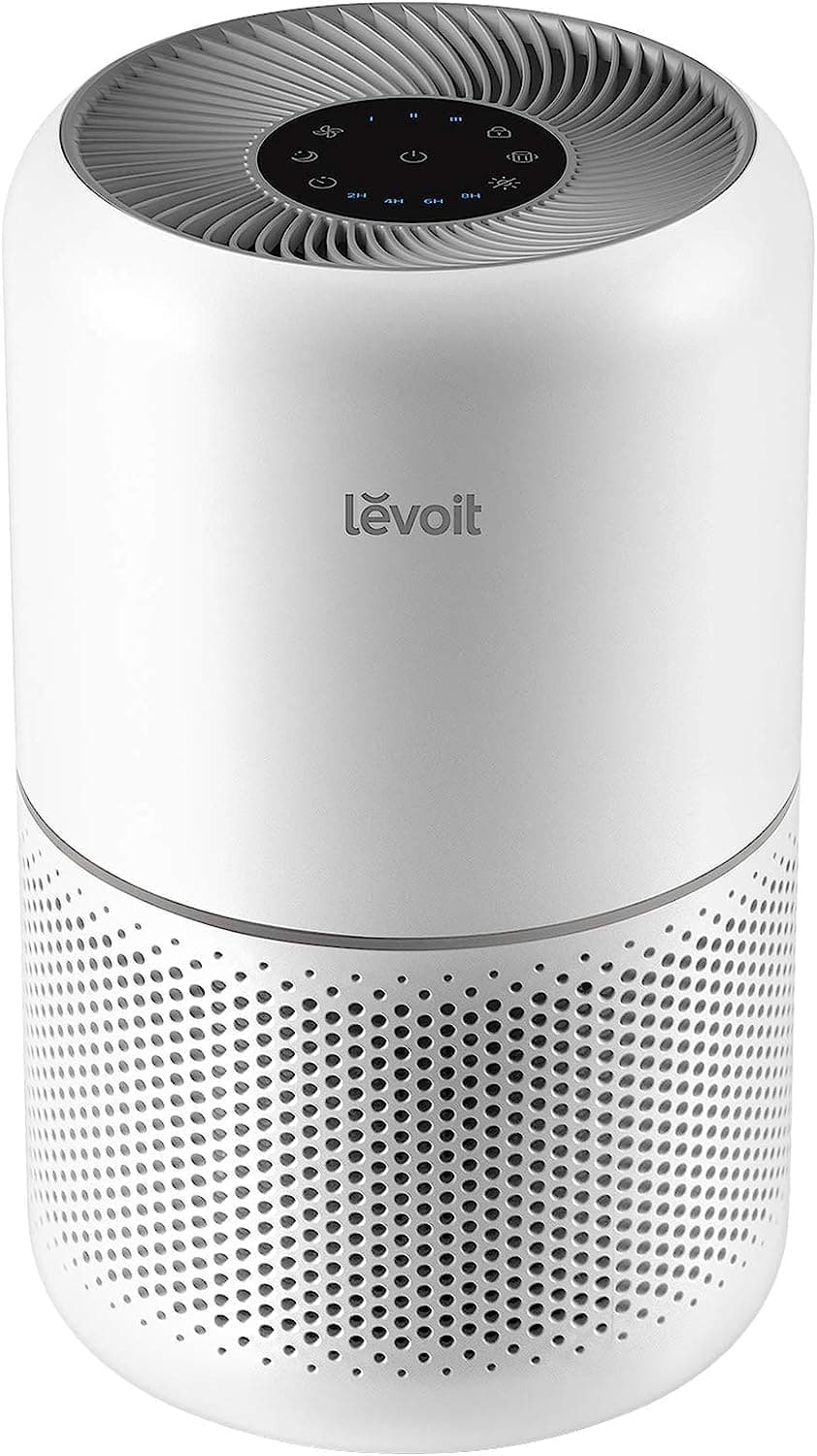
Best overallLevoit Core 300
~$100A compact true HEPA purifier sized for bedrooms and small offices — handles dust, pollen, and pet dander in the room where you spend eight hours without industrial noise.
Best for: 10x10 to 12x12 home offices with one window and limited ventilation.
- +True HEPA filter — not ionizer-only gimmick
- +Quiet enough for calls on low and medium
- +Compact cylinder fits corner beside desk
- −Filter replacements every 6–8 months — ongoing cost
- −Not for open-plan whole apartment — room sized
 Best quiet
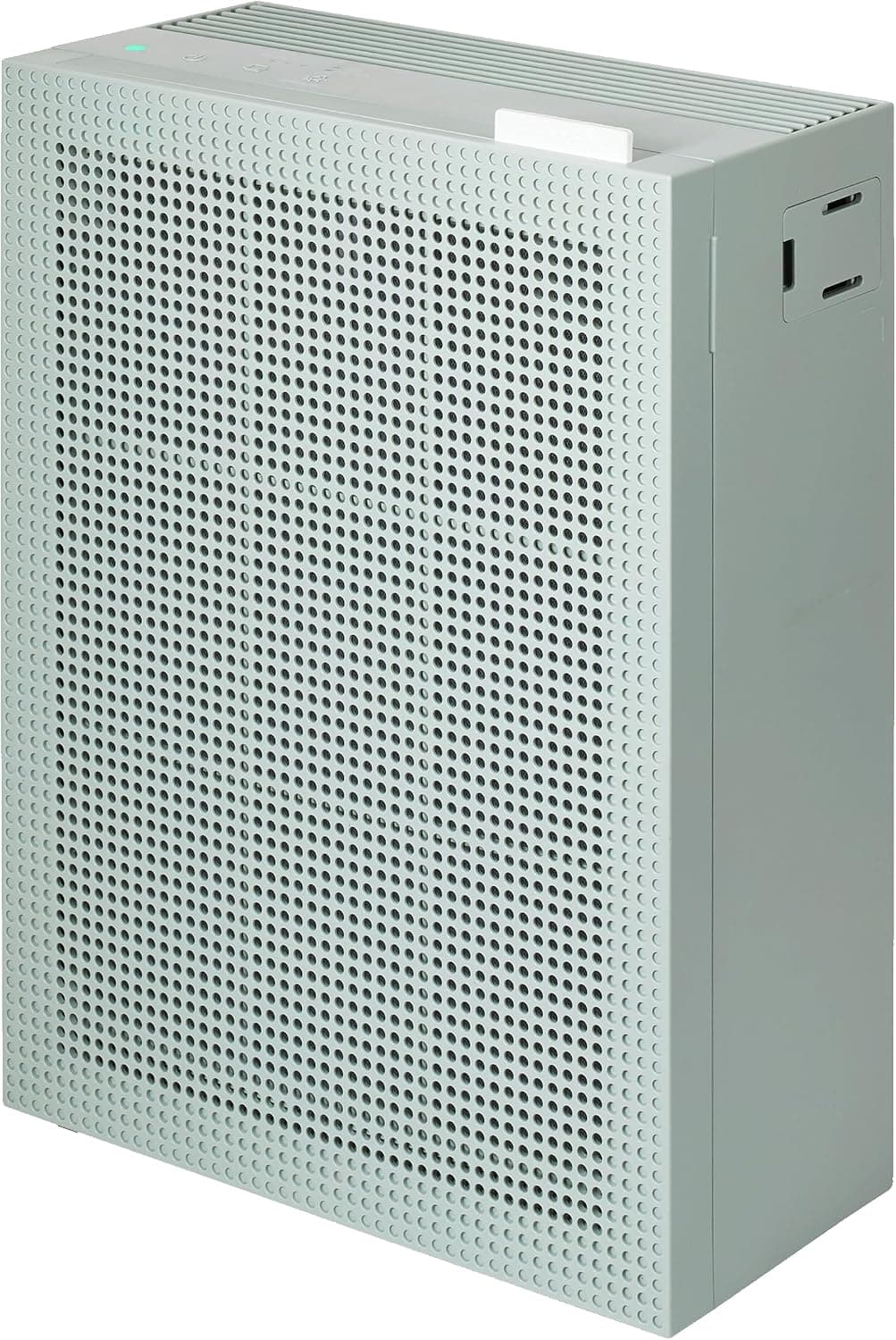
Coway Airmega 150
~$200A slightly premium small-room purifier with strong filtration and refined noise profile — less fan hum picked up by condenser mics during meetings.
Best for: Video callers and podcasters who notice background hum on recordings.
- +Excellent noise-to-CADR ratio on medium
- +Clean design for visible desk corners on camera
- +Filter indicator — less guesswork
- −Premium price vs Levoit Core 300
- −Replacement filters not the cheapest
 Best compact
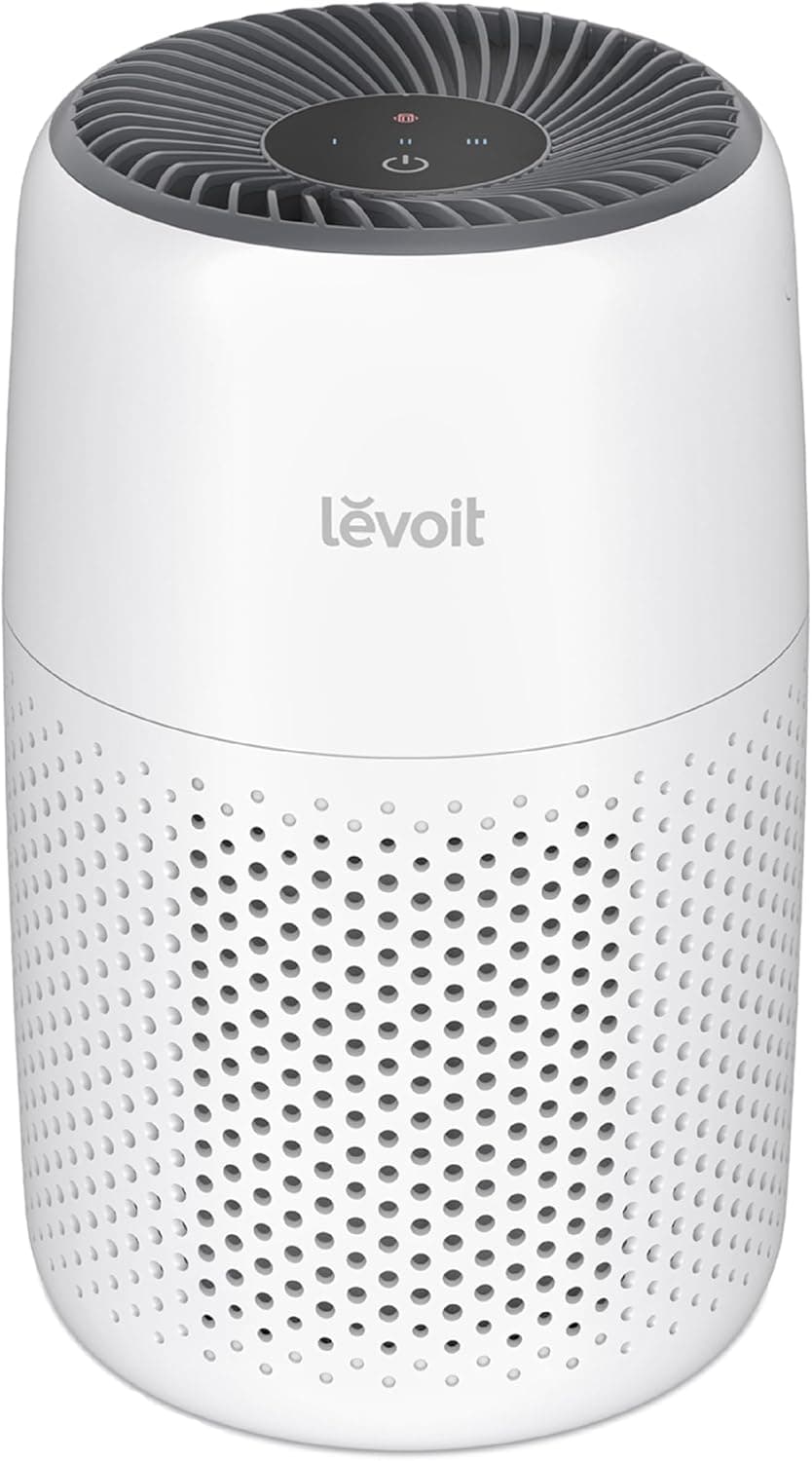
Levoit Core Mini
~$60A desk-scale HEPA purifier for personal breathing zone — not whole room, but direct improvement when you sit in stale corner with poor airflow.
Best for: Desk in shared bedroom or basement corner without space for floor tower.
- +Fits on shelf beside monitor
- +USB optional on some variants — desk powered
- +Night light optional — dim workspace accent
- −Lower CADR — not whole room solution alone
- −Personal zone only — pair with window air exchange
Side-by-side comparison
| Feature | Levoit Core 300 | Coway 150 | Core Mini |
|---|---|---|---|
| Typical price | $90 – $110 | $180 – $220 | $50 – $70 |
| Room size rating | ~219 sq ft | ~214 sq ft | ~178 sq ft |
| Noise on low | 24 dB — very quiet | Quiet medium setting | Ultra quiet sleep mode |
| True HEPA | Yes | Yes | Yes |
| Best if you… | Standard spare bedroom office | Calls daily — need quiet | Desk-only personal zone |
The verdict
Stuff spare-bedroom offices with Levoit Core 300 on medium — best balance of price, HEPA, and noise. Upgrade to Coway Airmega 150 if your mic catches fan hum. Desk-only corners get Core Mini — but open the window sometimes too.
Advertisement
Ad placement activates after cookie consent.
FAQ
Air purifier during Zoom calls?+
Run on low — Core 300 and Coway 150 stay quieter than most desktop PCs on low. Point mic away from outlet airflow if rumble appears.
HEPA vs ionizer?+
HEPA captures particles physically — proven for allergens. Ionizers alone controversial and often insufficient — choose true HEPA.
One purifier for apartment?+
Room-sized unit in office with door closed works. Whole apartment needs larger unit or multiple — not one mini on desk.
How often replace filter?+
Typically 6–12 months depending on dust and pets — follow indicator or visual check when airflow drops.
Related guides
Keep reading

Updated 2026-07-15