Productivity · 3 min read
How to use the return window to test home-office gear
A one-week test plan for chairs, arms, docks, and lights — so you return what fails on day three instead of stacking more accessories.

This guide is a decision framework. Shortlist stays small so you can skip anything that fails desk depth, noise, or budget. How we research.
We may earn from product links elsewhere on the site. This page is a process guide.
Treat week one as a lab, not a honeymoon
Unboxing excitement hides bad fit. The return window exists so day-three reality can override day-one aesthetics. Schedule real work on the gear — not a Sunday rearrange.
Write a pass/fail note before the window closes: pain, wobble, cable tautness, sleep/wake bugs, household conflict. If you cannot name a failure, you may still keep it — but force the review.
Day 1–2: install and photograph
Photograph the desk before and after install. Keep packaging until the test ends. For clamps and adhesive, shoot the contact surfaces in case of landlord disputes.
Do one full sit-stand cycle (or one full work block) immediately. Catch obvious cable length and clearance failures early.
Day 3–5: real meetings and real fatigue
Take your normal calls, not muted test calls. Mic noise, fan spin, and monitor handshake bugs appear under load.
Work a longer block than unboxing night. Chair foam, wrist angles, and glare show up after hour two.
If you buy two competing items (two mice, two stands), alternate days. Keeping both "just in case" destroys the experiment.
Day 6–7: decide keep or return
Keep only if the original problem improved and no new problem is worse. "Looks premium" is not a keep rule.
Return if you already planned a compensating purchase ("I will buy a mat to fix the wobble"). That pattern creates accessory piles.
Start the return early enough for pickup deadlines. Apartment schedules slip; do not wait for the last calendar day.
What not to test casually
Avoid opening software-licensed bundles you cannot return cleanly. Avoid damaging wall anchors unless you accept repair costs.
Do not "test" by giving gear to a roommate for a month — that is not your return window anymore.
Examples that match the criteria
Optional examples that illustrate the criteria above — not a mandatory shopping list. Skip any pick that fails desk depth, budget, noise, or return logistics.
 Example of a fast test item
A low-cost item that demonstrates the return-window method well — if feet still dangle after three real workdays, return it; if posture improves, keep it.
Best for: Shorter workers testing chair/desk height mismatch quickly.
- +Results show up within a few sittings
- +Easy to return if unused
- +Does not require installation tools
- −Will not fix a desk that is fundamentally too high
- −Bulky for tiny rooms if it fails
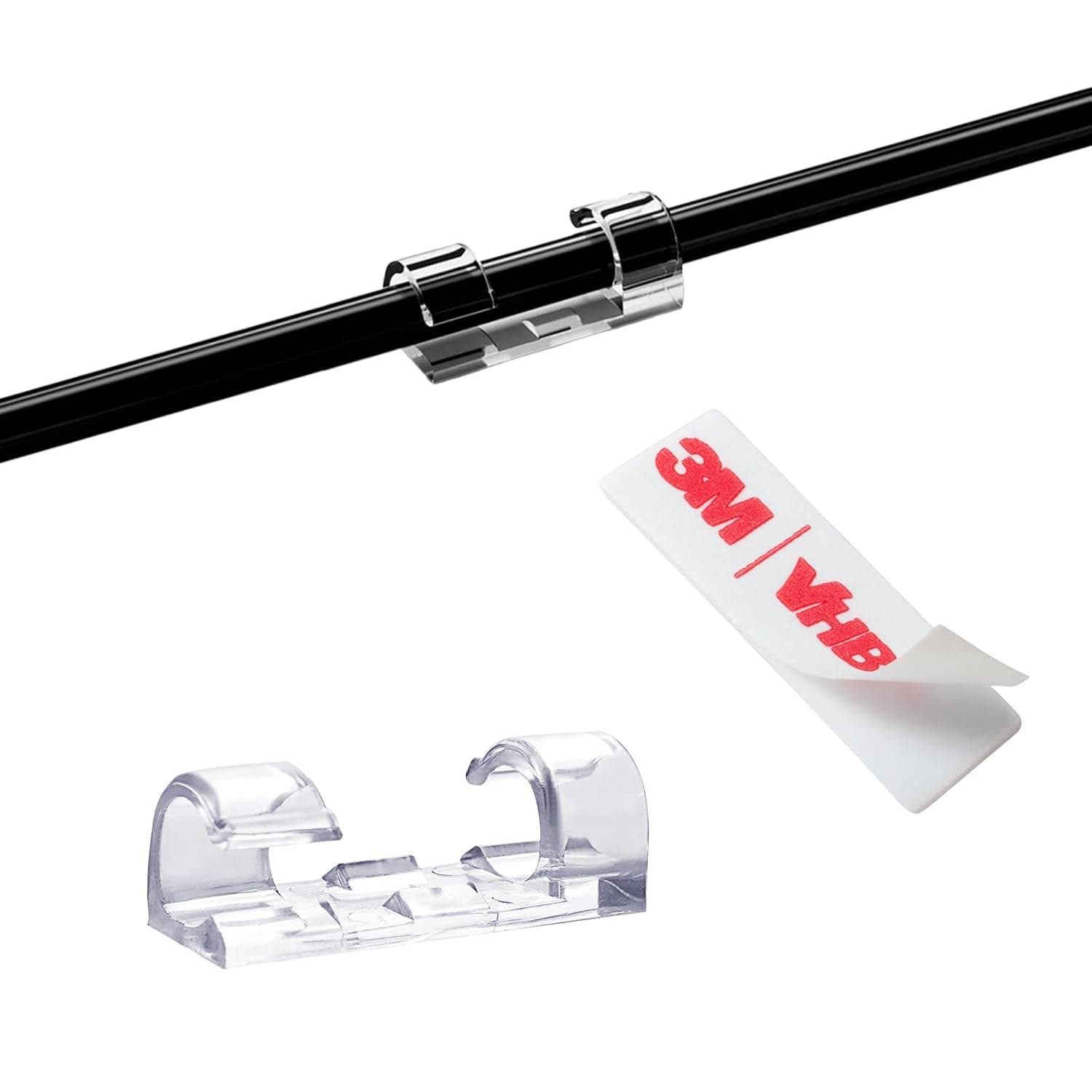 Example of a reversible test
Use clips only after a tray plan — and peel-test adhesive on a hidden spot in week one so returns stay clean for landlords.
Best for: People verifying adhesive safety during the return window.
- +Cheap signal for cable path experiments
- +Removable if you warm and peel carefully
- +Helps prove whether a tray is still needed
- −Residue risk on cheap laminate if left for months
- −Cannot replace a real under-desk tray for power bricks
The verdict
Use the return window as a structured one-week lab: install, work for real, then keep or return based on the original problem. Do not stack compensating accessories to rescue a failed fit.
FAQ
Does every retailer match Amazon’s window?+
No. Check the listing and account policy each time. Some categories have shorter windows or restocking rules.
What if the item is used but defective?+
Document with photos/video, contact support promptly, and keep notes of dates. Policies vary; evidence helps.
Can I test two chairs in one window?+
Yes if space allows and you alternate seriously. Returning both is fine if neither passes — that is the point of the window.
Related guides
Keep reading


Published 2026-11-17