Best desk plants for low-light home offices
Desk-friendly plants that survive dim WFH corners — low maintenance, small footprint, and what actually lives without a south-facing window.
Read the criteria and trade-offs first. Product picks come after the decision framework so you can skip anything that does not match your desk, room, or return window. How we research.
Some plant links may earn a commission. Prices are approximate.
The short answer
Low-light home offices need plants that tolerate neglect and dim corners — not succulents that demand sun. Snake plant for easiest survival, ZZ for sculptural desks, pothos for shelf trails.
One small plant beats a dead trendy bundle. Skip high-maintenance fiddle-leaf figs in basement offices.
Plants improve room feel on video calls even when air-purification claims are modest at desk scale.
Light reality in WFH rooms
North-facing windows and interior bedrooms provide low indirect light — fine for snake and ZZ, marginal for herbs or succulents.
Desk lamps do not replace photosynthesis — grow lights exist but add complexity most WFH users skip.
Rotate pots monthly so growth stays even if light comes from one side.
Desk placement without clutter
Keep soil away from electronics — use saucers and avoid overwatering near keyboards.
Back-corner shelf or monitor riser edge works better than between keyboard and screen.
Small 4-inch pots fit desk corners; larger plants belong on floor stands beside desk.
How we chose these picks
Survival in low light and low watering frequency were the criteria — not rare collector plants.
Costa Farms and similar mass-market growers ship consistently on Amazon — important for beginners who need live plants, not seeds.
We skipped high-light succulents and carnivorous plants inappropriate for desk life.
Common mistakes to avoid
Do not overwater — root rot kills more desk plants than darkness.
Avoid plants with pest history (some cheap bundles ship with gnats).
Do not block monitor vents with trailing vines.
Skip fertilizing monthly — desk plants need minimal feeding.
What “low light” actually means
North-facing apartments and interior bedrooms are dimmer than “bright indirect” Instagram setups. Snake plants, ZZ plants, and pothos tolerate that better than fiddle-leaf figs or sun-hungry herbs.
LED desk lamps help you, not always the plant. Grow-spectrum bulbs can help foliage if placed carefully, but heat and glare on the monitor become a new problem — aim lights at leaves, not at your camera.
If the room is artificially bright all day with cool LEDs but zero windows, treat humidity and watering mistakes as bigger killers than absolute lux.
Seasonal shift matters in temperate climates. A plant that thrived in summer may sulk in February when daylight hours shrink — adjust expectations rather than overwatering.
WFH-friendly plant care
Choose plants that forgive skipped weekends. Remote workers travel; dramatic calatheas punish inconsistency. Larger pots dry slower than tiny desk cups.
Keep soil off keyboard trays — use saucers and water in the sink. Overwatering remains the main cause of desk-plant death, especially in winter heating.
Avoid heavily fragranced soil additives near microphones; some people notice musty smells on long calls.
Dust leaves monthly. Fine dust on foliage blocks what little light exists and can make spider-mite problems worse in dry heated rooms.
Desk layout without clutter
One medium plant behind the monitor often looks calmer than five mini succulents at arm’s reach. Leave mouse space and notebook space sacred.
Hanging or shelf plants free the desktop but need secure mounts on rental walls — tension rods and freestanding shelves beat damaged drywall.
If pets chew leaves, elevate toxic species or skip them. ZZ and snake plants are common but not risk-free for curious cats.
Keep plants out of direct HVAC blast. Constant dry air browns leaf tips faster than “low light” ever will.
When faux plants are the right call
Travel-heavy consultants or basement offices with true cave lighting may prefer high-quality artificial greenery. That is a pragmatic setup choice, not a moral failure — especially when mold risk from constant damp soil is real.
If you want air benefits, prioritize a purifier over expecting a single pothos to scrub a closed room. Plants are mood and humidity helpers more than HVAC replacements.
High-quality faux stems with varied leaf tones photograph better on video calls than dusty plastic replicas from big-box floral aisles.
Humidity without desk damage
Small pebble trays add moisture locally without misting electronics. Do not let standing water touch wood veneer — use a sealed saucer.
Grouping plants raises ambient humidity slightly. One lonely succulent on a blazing radiator will struggle no matter how often you mist.
Signs you picked the wrong species
Stretching stems toward the window, pale new growth, and constant leaf drop mean the plant wants more light than your desk offers. Move it to a brighter sill on weekends or swap species.
Fungus gnats around soil mean watering too often for the light level. Let the top inch dry before the next pour.
Skip if your desk is already overloaded
If mouse space, notebook space, and a docked laptop already fight for the same 24-inch depth, a plant is the wrong priority. Fix cable chaos and monitor height first — foliage behind the panel only works when the keyboard zone still has margin.
Skip live plants when you travel every other week unless someone else waters on schedule. A dried-out pot on camera reads as neglect faster than no plant at all. High-quality faux stems or a single small air plant in a sealed terrarium may fit intermittent WFH better.
Allergy-sensitive households and heavy call days do not mix well with flowering desk plants or mold-prone constantly damp soil. If your mic picks up musty notes or your eyes water near pollen, invest in a purifier or faux greenery instead of fighting biology at arm's reach.
Return-window plant and pot reality
Buy the pot and saucer together during the return window if ordering online — a beautiful nursery pot without drainage will rot roots within a month on a desk. Test saucer diameter against your keyboard zone; a 6-inch saucer encroaches mouse space faster than the foliage suggests in product photos. Use the retailer return window for a full workweek test before you keep anything that fails on day three.
Apartment humidity swings with heat and AC cycles. A plant that arrives lush in spring may drop leaves when dry winter air hits; that is not always a return-worthy defect. Who should skip live plants: pet owners with chewers, basement offices with zero window light, and desks that must clear nightly for dining. Apartment desk depth, door swing, and roommate traffic matter more than the hero photo in the listing.
Fungus gnats and mold smell show up on week two, not day one. Keep packaging until you have watered on your real schedule twice. If soil stays soggy because the room is colder than the greenhouse where it grew, repot with better drainage before you blame the species — or return and switch to faux.
Watering rhythm for travel-heavy WFH
Desk plants die from kindness, not neglect — overwatering when you are home daily plus a splash before a trip rots roots faster than forgetting once. Match pot size to your travel cadence: larger pots dry slower and forgive a long weekend; tiny cups need someone to check midweek.
Before a two-week trip, move the plant to the brightest sill in the apartment and away from blasting HVAC. Self-watering spikes help some species; they fail on succulents and ZZ plants that want dry spells.
Set a calendar reminder tied to daylight, not guilt. Water when the top inch is dry in winter; when top half is dry for desert-tolerant species. Finger tests beat arbitrary Tuesday schedules.
Who should skip live plants entirely: consultants away more than home, pet households with chewers, and desks without drainage saucers that fit the keyboard zone.
Camera framing without blocking the webcam
One medium plant behind the monitor reads calm on video; a tall plant beside the panel may cast moving shadows when HVAC blows leaves into your key light. Test a recorded standup before you commit to a floor pot that grows toward the camera.
Reflective ceramic pots bounce desk lamp hotspots into cheap webcams — matte containers or a fabric pot cover reduce sparkle on auto exposure.
Pollen and fragrant blooms near a bedroom mic can trigger allergies on long calls. Stick to foliage-forward species in shared sleeping offices.
Faux plants still need dusting — dusty leaves look like blur on camera and read as neglect faster than no plant at all. Wipe monthly with a damp cloth, not furniture polish that smells on mic.
Short answers below — use them only if the criteria above already match your constraints.
Quick picks
Best indestructible
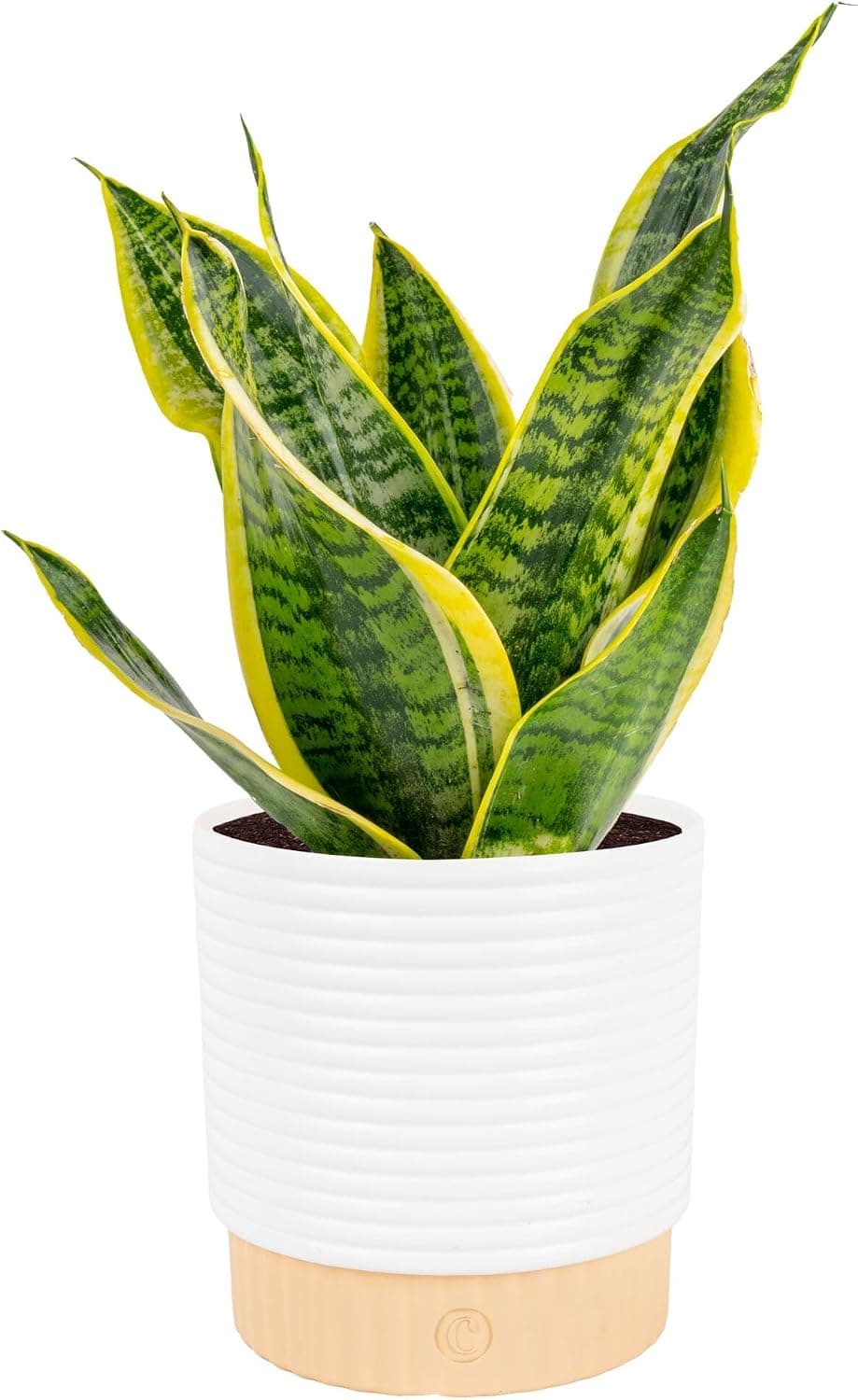
Snake plant
Tolerates neglect, low light, and irregular watering.
Best small desk
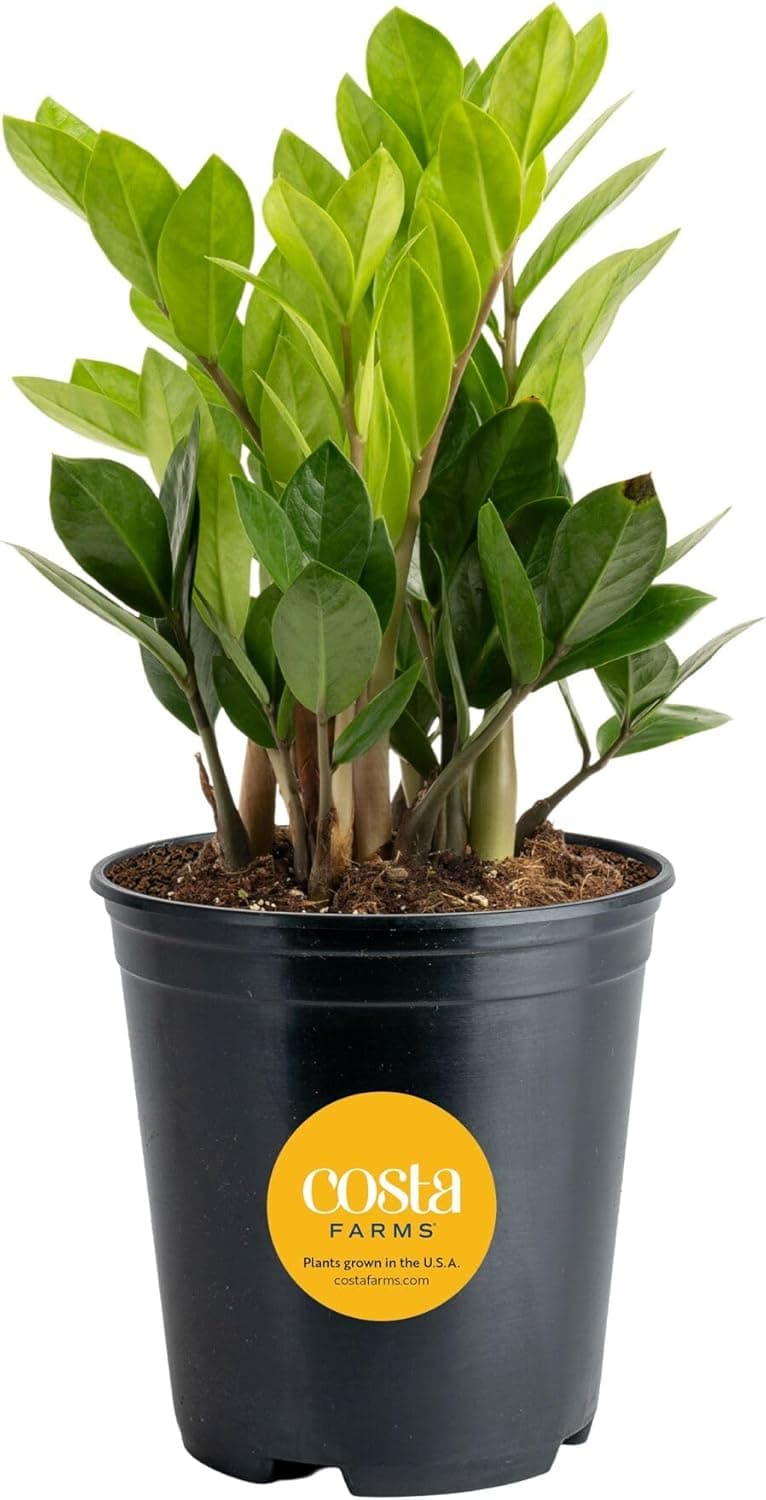
ZZ plant mini
Glossy leaves, slow growth, tiny footprint.
Best trailing
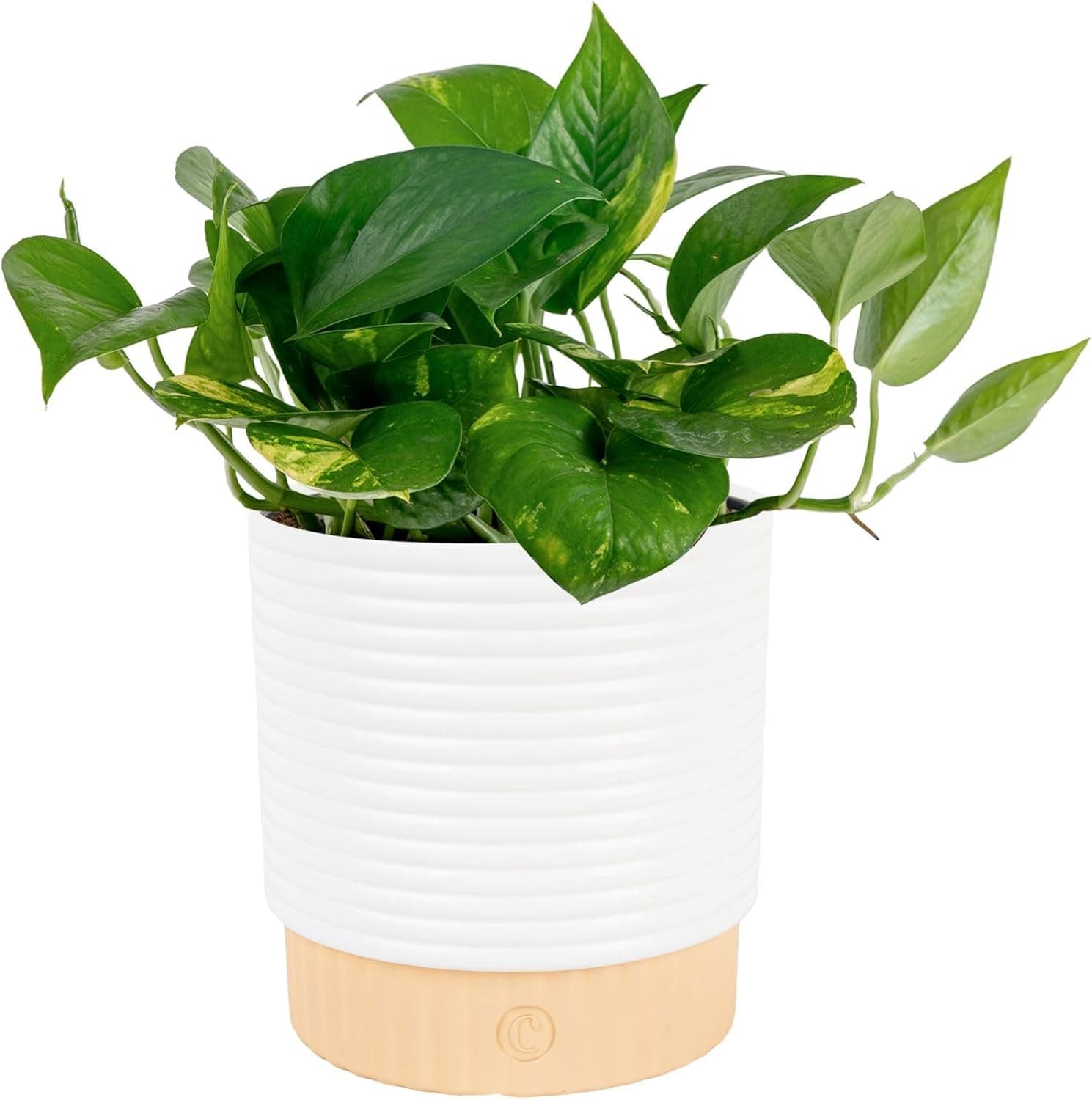
Pothos
Thrives in moderate indirect light — classic shelf plant.
Our top picks
These products illustrate the criteria above — they are not a mandatory shopping list. Skip any pick that fails your desk depth, budget, noise limits, or return logistics.
Best overallAn upright succulent-like plant that tolerates low light and missed waterings — the default recommendation for desk workers who kill everything green.
Best for: Dim corners, north-facing rooms, and people who travel weekly.
- +Survives low light better than most desk plants
- +Vertical growth — small desk footprint
- +Improves perceived air quality and desk aesthetics on calls
- −Slow growth — not dramatic change over months
- −Overwatering kills it — easy on the watering can
 Best low maintenance
A waxy-leaf plant that stores water in rhizomes — handles fluorescent-only rooms and irregular care while looking intentionally styled on modern desks.
Best for: Minimalist desks that need one sculptural green element.
- +Glossy leaves look good on video backgrounds
- +Extremely drought tolerant
- +Slow growth keeps size manageable
- −Toxic to pets if ingested — keep away from cats
- −Premium price vs basic pothos
 Best aesthetic
A trailing plant that handles moderate indirect light and bounces back from occasional neglect — best on a shelf above the monitor, not crowding keyboard space.
Best for: Workers with a shelf or monitor riser who want softer trailing greenery.
- +Fast visual impact — trails look great on camera
- +Forgiving of beginner watering mistakes
- +Easy propagation if you want more plants free
- −Needs more light than snake or ZZ for best color
- −Trailing vines can encroach on monitor if untrimmed
Side-by-side comparison
| Feature | Snake plant | ZZ plant | Pothos |
|---|---|---|---|
| Typical price | $15 – $30 | $20 – $35 | $12 – $25 |
| Light needs | Low — survives dim corners | Low to moderate | Moderate indirect |
| Water frequency | Every 2–3 weeks | Every 2–3 weeks | Weekly when dry |
| Desk footprint | Small pot — upright | Very small | Trail — needs shelf edge |
The verdict
Buy a snake plant if you want the hardest plant to kill in a dim office. Choose ZZ for a glossy minimalist look. Pothos on a shelf if you have moderate indirect light and want trails — water less than you think.
Advertisement
Ad placement activates after cookie consent.
FAQ
Do desk plants improve air quality?+
Marginally at desk scale — NASA studies used sealed chambers. Plants still improve mood and room aesthetics, which matters for daily WFH satisfaction.
Artificial plants instead?+
Fine for pure aesthetics on camera with zero maintenance. Real plants add subtle life movement — personal preference.
Pet-safe desk plants?+
Spider plants are safer options for cats. Snake and ZZ are toxic if ingested — place accordingly.
How often to water snake plant?+
Roughly every two to three weeks in low light — let soil dry completely between waterings. Less in winter.
Related guides
Keep reading
Updated 2026-07-26